


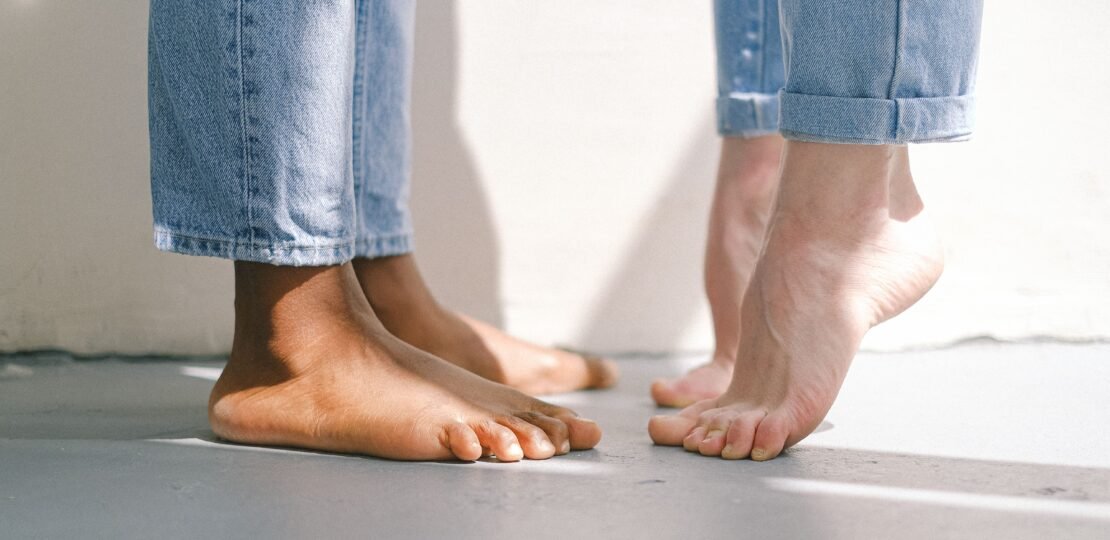
This is the one article in this series where I would rather you left and called your doctor than finished reading. Swollen ankles are usually nothing. Sometimes they are the first visible sign of something that needs attention now.
Most women who notice puffy ankles at the end of a hot day have nothing wrong with them. But because the harmless version is so common, the serious version gets ignored — and that is what this piece is really about.
The everyday causes
- Gravity and stillness. Long periods standing or sitting, particularly on a flight or at a desk. Fluid pools where gravity puts it.
- Heat. Blood vessels dilate in warm weather and fluid moves into surrounding tissue. Summer ankles are a genuine phenomenon.
- Salt. A very salty meal holds water. This usually resolves within a day.
- Hormonal shifts. Many women swell premenstrually, and fluid retention is common through perimenopause.
- Pregnancy. Common and usually benign — but see the red flags below, because pre-eclampsia is an exception that matters enormously.
- Medications. Some blood pressure medicines, steroids, certain diabetes drugs, hormone therapy and some anti-inflammatories all list swelling. This is a conversation with your prescriber, not a reason to stop taking anything.
What it may be telling you
Swelling happens when fluid leaves your blood vessels and stays in the tissue. That can be a plumbing problem or a pressure problem, and several organs are involved in keeping it in balance.
- Heart. When the heart pumps less efficiently, fluid backs up — typically in both legs, worse in the evening, often with breathlessness.
- Kidneys. When they cannot clear sodium and water properly, swelling can appear around the eyes in the morning as well as in the legs.
- Liver. Reduced production of the proteins that hold fluid inside blood vessels, sometimes with abdominal swelling.
- Veins. Chronic venous insufficiency — valves in the leg veins not closing properly. Common, uncomfortable, and manageable once diagnosed.
- Lymphatic system. Often after surgery or lymph node removal, and typically firmer swelling that does not pit when pressed.
- Thyroid. An underactive thyroid can cause a characteristic puffiness.
One leg is swollen and it is painful, warm, red, or tender — particularly the calf. This can be a blood clot (deep vein thrombosis) and it is an emergency, not something to watch for a few days.
Swelling with breathlessness, chest pain, or difficulty lying flat. Call emergency services.
Sudden swelling of the face, lips or tongue, or swelling with a rash and difficulty breathing. This is an allergic reaction.
In pregnancy: sudden swelling of the face and hands, severe headache, or visual changes. These can indicate pre-eclampsia and need same-day assessment.
One swollen leg is a different question from two. If it is one, and it hurts, do not wait.
Book an appointment — not urgently, but soon
If swelling is persistent rather than occasional, if it does not settle overnight, if it pits when you press a finger into it and the dent stays, or if it comes with fatigue, weight change, or shortness of breath on exertion — that is worth a proper assessment.
Blood pressure, a urine test for protein, kidney and liver function, thyroid function, and sometimes an echocardiogram or a scan of the leg veins. If a clot is suspected, an ultrasound is usually arranged the same day.
Take a note of when the swelling happens, whether one leg or both, and what makes it better or worse. It is more useful than you would think.
If it is the ordinary kind
- Move regularly. Calf muscles are the pump that pushes blood back up your legs. Standing still is harder on them than walking.
- Elevate. Feet above heart level for twenty minutes helps more than elevating them slightly for hours.
- Compression socks. Unglamorous, genuinely effective, and available in versions that do not look medical.
- Reduce added salt rather than obsessing over it, and drink enough water — dehydration makes retention worse, not better.
The reason I wrote this one
Because the body often gives a visible signal before it gives a loud one, and ankles are one of the places it shows. Most of the time it means you stood up too long in July.
But it is worth knowing which version is which — and being the kind of person who books the appointment rather than waits to see.
This one does not end with a product.
If anything here sounded like you, the next step is a conversation with your doctor — not a recipe. If you would like help preparing for that appointment, get in touch.
RELATED POSTS
View all


The Morning Routine That Changed Everything for Me as a Woman in Leadership
June 29, 2026 | by Carmela Levy

The Mind-Body Loop: How Inflammation, Hormones & Gut Health Shape Women’s Mood
September 21, 2026 | by Carmela Levy