



Sugar has become the villain in almost every wellness story. That is convenient, because villains are simple — and unhelpful, because the real answer changes what you would actually do about it.
Let me be direct about where I land: added sugar, in the quantities most of us eat it, is genuinely worth reducing. But the way it gets talked about — as poison, as addiction, as the single cause of everything — is both inaccurate and, I think, counterproductive. Fear does not make anyone eat better for long.
The distinction that matters most
Added sugar is what goes into food during processing or at the table. Intrinsic sugar is what occurs naturally in whole foods — the fructose in an apple, the lactose in milk.
They behave differently in your body, and it is not because one is morally superior. An apple arrives wrapped in fibre, water and polyphenols°, so the sugar is released slowly. Apple juice arrives without any of that, and hits like a soft drink.
This is why “fruit has sugar in it” is technically true and practically misleading. In the entire body of nutrition research, whole fruit comes out well almost every time.
“Fruit has sugar in it” is technically true and practically misleading.
What the evidence actually supports
- Added sugar and inflammation. High intake is associated with raised inflammatory markers, including C-reactive protein°. The relationship is reasonably consistent.
- Sugary drinks specifically. These come out worse than solid foods containing sugar, probably because liquid calories arrive fast and do not register as food.
- Insulin resistance°. Repeated large glucose spikes° over years contribute, though total diet, body composition, sleep and activity all matter alongside.
What it is not
It is not poison. Your brain runs on glucose. The dose and the context are what matter, as with most things.
It is not the only driver of inflammation. Sleep debt, chronic stress, alcohol, and simply not eating enough vegetables all contribute. Cutting sugar while sleeping five hours a night will not get you far.
Sugar does not “feed” disease in the way the internet suggests. All your cells use glucose. Removing dietary sugar does not starve anything selectively.
And it is not a moral category. Eating a slice of your own birthday cake is not a failure of character. This framing does real harm, particularly to women who have spent decades being told food is a test they keep failing.
Persistent thirst, needing to urinate frequently including overnight, unexplained weight loss, blurred vision, or wounds that heal slowly can indicate diabetes. These warrant a blood test — HbA1c° and fasting glucose — not a diet change you make alone.
Shakiness, sweating, or confusion that resolves when you eat may indicate reactive hypoglycaemia and is also worth investigating properly.
What actually helps
- Start with drinks. Sugary drinks are the highest-yield thing to change and the easiest to notice. Nothing else on this list comes close.
- Never eat carbohydrate naked. Pair it with protein and fat. The same food produces a much gentler glucose response when it arrives with company.
- Read labels for the aliases. Syrup, dextrose, maltodextrin, fruit juice concentrate, anything ending in -ose. Sauces, dressings, bread and yoghurt are the usual hiding places.
- Reduce gradually. Your palate recalibrates over a few weeks. Things that tasted normal start tasting cloying, and that shift does more for long-term change than willpower ever will.
- Do not replace it with sweeteners automatically. They keep the preference for sweetness alive, which is the thing worth changing.
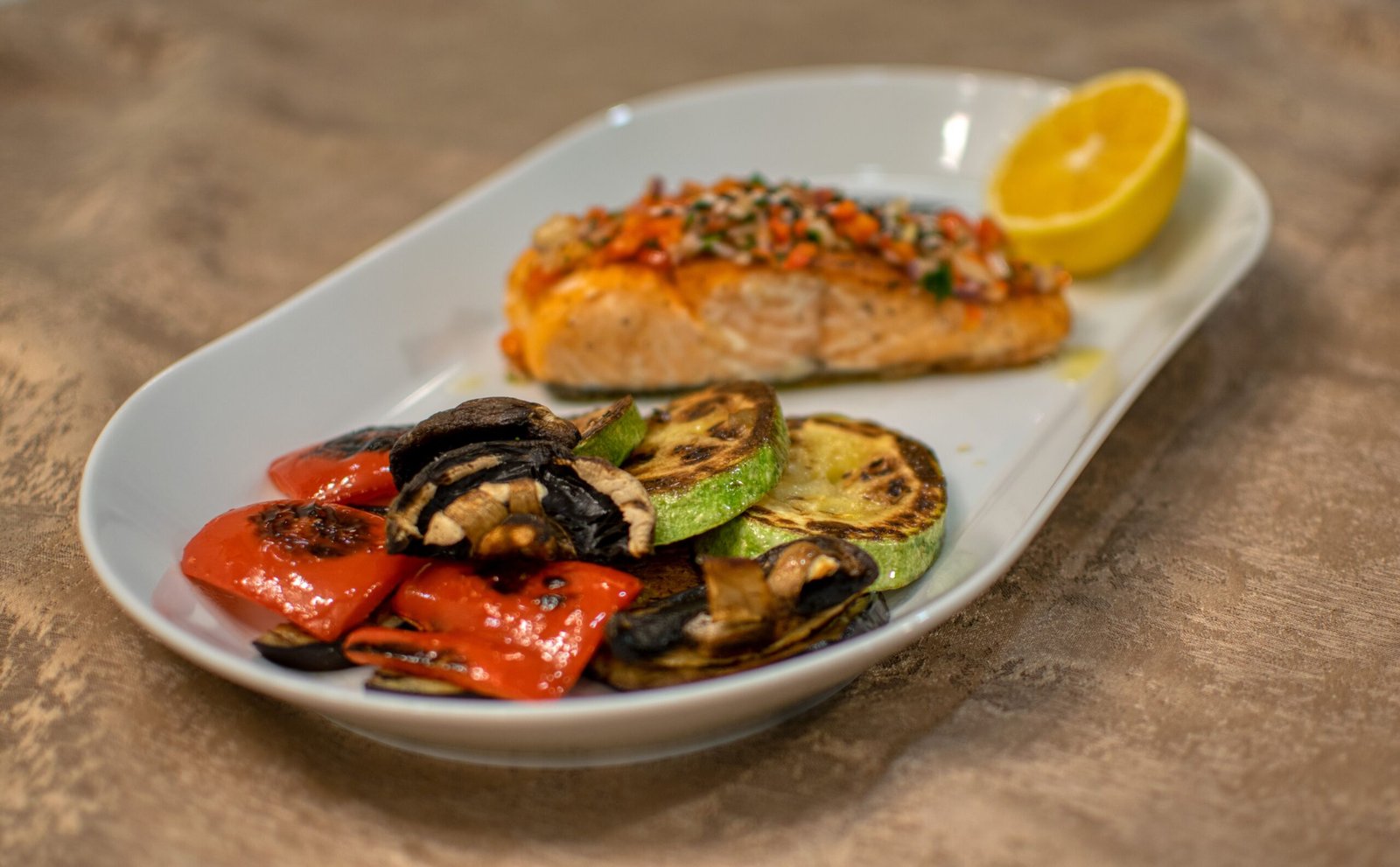
Instead of “is sugar bad,” ask: what is this displacing? A biscuit instead of an afternoon that included no vegetables is a different situation from a biscuit after a plate of salmon and greens.
Most of us do not have a sugar problem so much as a not-enough-of-everything-else problem.
Where I land
Reduce added sugar, especially in drinks. Keep whole fruit. Pair your carbohydrates. Stop treating it as a moral test.
That is less dramatic than “sugar is the enemy,” and considerably more likely to still be true for you in a year.
Want to see how your own body responds?
The 14-Day Reset includes a tracker for energy, sleep and symptoms — so you learn what your body does rather than what an article told you it would.
- C-Reactive Protein (CRP)
- A marker doctors measure in blood to gauge inflammation in the body. Often written as CRP or hs-CRP on lab results.
- Glucose spike
- The sharp rise in blood sugar after eating — usually from carbohydrates eaten on their own. Pairing them with protein and fat softens it.
- HbA1c
- A blood test showing your average blood sugar over roughly three months. Often written as A1c.
- Insulin resistance
- When your cells stop responding well to insulin, so your body produces more of it. A common driver of fatigue, stubborn weight around the middle and sugar cravings.
- Polyphenols
- A large family of protective plant compounds found in vegetables, fruit, olive oil, tea and herbs.
RELATED POSTS
View all


COVID and the Autoimmune Connection: What Every Woman Should Know
September 28, 2026 | by Carmela Levy